Blog

  • CBD as a Topical Cream: Uses, Benefits, and Considerations

    CBD (cannabidiol) is a compound derived from the hemp plant. It is widely used in topical creams for skin and muscle care. Unlike THC, CBD does not cause psychoactive effects. Topical CBD products are applied directly to the skin and absorbed into localized areas. This article explores the uses, benefits, and considerations for CBD topical creams.


    What is CBD?

    CBD is one of the active compounds found in hemp. It interacts with the body’s endocannabinoid system, which regulates processes like inflammation and pain. CBD is non-intoxicating and safe for most people.

    Topical creams contain CBD as an active ingredient, often combined with other beneficial compounds like menthol, aloe, or essential oils. These products are designed for direct application to the skin.

    How CBD Topical Creams Work

    CBD creams are absorbed through the skin. They do not enter the bloodstream. Instead, they target receptors in the skin and underlying tissues. These receptors are part of the endocannabinoid system, which helps maintain balance in the body.

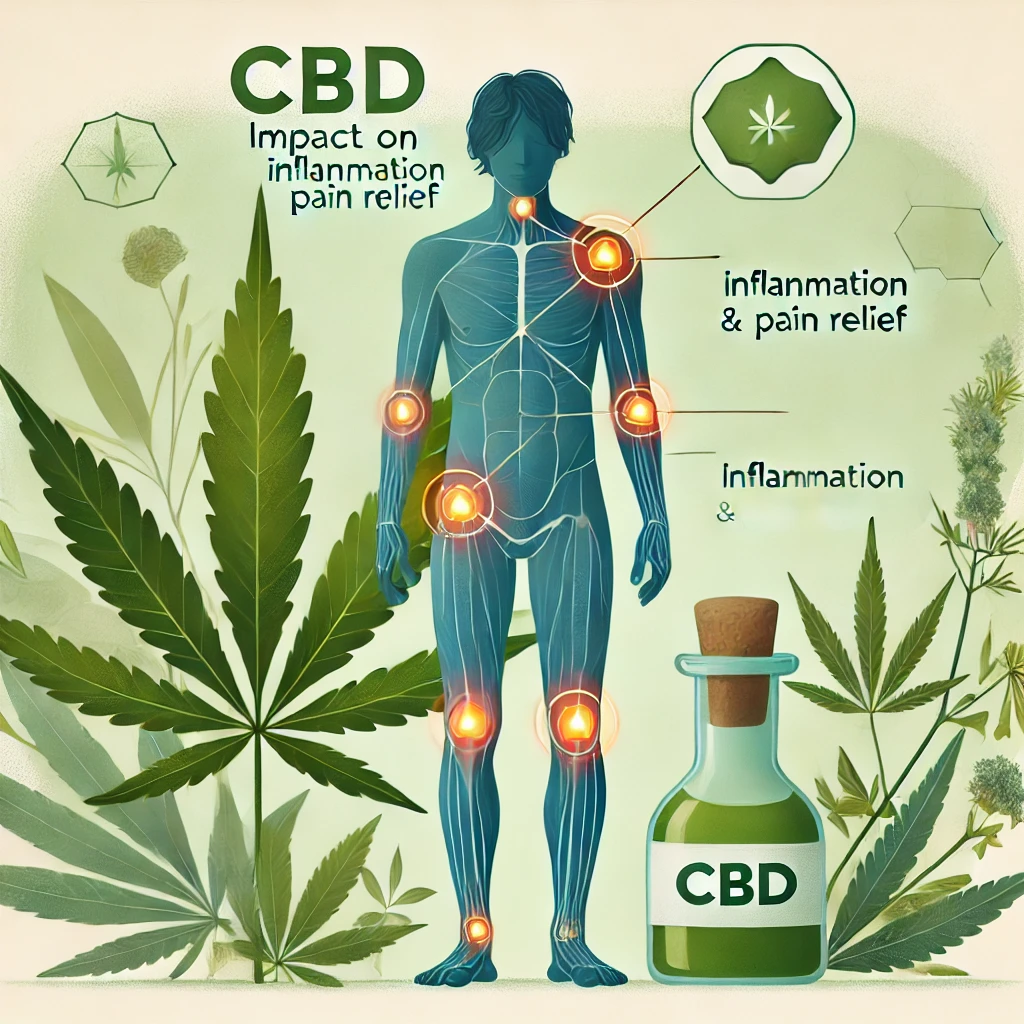
    The creams can provide localized relief for pain, inflammation, and skin irritation. This makes them popular for managing joint discomfort, muscle soreness, and certain skin conditions.


    Uses of CBD Topical Creams

    1. Pain Relief

    CBD creams are commonly used for muscle and joint pain. They may help reduce inflammation and soothe discomfort. Many products include menthol or camphor for a cooling sensation.

    2. Skin Conditions

    CBD has anti-inflammatory properties that may benefit skin conditions like eczema, psoriasis, and acne. It can help reduce redness, itching, and irritation.

    3. Post-Workout Recovery

    Athletes use CBD creams to relieve muscle soreness. These products may speed up recovery by calming inflammation.

    4. Arthritis Relief

    CBD creams may ease arthritis symptoms by reducing joint stiffness and swelling. Some products are specifically formulated for arthritis care.


    Benefits of CBD Topical Creams

    1. Targeted Relief

    5000mg CBD Topical creams provide localized effects. Unlike oral CBD, which affects the whole body, topical products focus on specific areas.

    2. Non-Greasy Formulas

    Most CBD creams are designed to absorb quickly. This ensures they do not leave a greasy residue.

    3. Natural Ingredients

    CBD creams often include natural additives like aloe, shea butter, and essential oils. These enhance the product’s soothing and moisturizing properties.

    4. Broad-Spectrum and THC-Free Options

    Many CBD creams are broad-spectrum, meaning they include beneficial cannabinoids but no THC. This ensures no psychoactive effects.

    5. Easy Application

    CBD creams are simple to use. Users can apply them directly to the skin without any preparation.


    How to Choose a CBD Cream

    1. Check the Ingredients

    Look for products with high-quality CBD and natural ingredients. Avoid creams with artificial fragrances or harsh chemicals.

    2. Read the Label

    Ensure the product specifies the CBD content. A clear label helps determine the cream’s strength and effectiveness.

    3. Look for Third-Party Testing

    Reputable brands provide third-party lab reports. These verify the product’s CBD content and ensure it is free from contaminants.

    4. Select the Right Formulation

    Choose a cream with additional ingredients that match your needs. For example, menthol provides cooling, while aloe soothes irritation.

    5. Consider the CBD Concentration

    Higher CBD concentrations may be more effective for severe pain or inflammation. However, lower concentrations may work well for mild symptoms.


    How to Use CBD Topical Creams

    Using CBD cream is straightforward. Follow these steps for effective application:

    1. Clean the Area
      Wash and dry the area where you will apply the cream. This removes dirt and allows better absorption.
    2. Apply a Small Amount
      Take a small amount of cream and rub it into the skin. Use gentle, circular motions to enhance absorption.
    3. Reapply as Needed
      Reapply the cream as directed on the label. Some products can be used multiple times a day.
    4. Avoid Sensitive Areas
      Do not apply the cream near the eyes, mouth, or broken skin.

    Potential Side Effects of CBD Creams

    CBD creams are generally safe, but some people may experience side effects. These include:

    • Skin irritation: Rare but possible if the product contains allergens.
    • Dryness: Some formulations may cause dryness if overused.

    Perform a patch test before using a new product to check for reactions.


    Who Can Use CBD Topical Creams?

    CBD creams are suitable for most adults. They are not recommended for pregnant or breastfeeding women without medical advice. Consult a healthcare provider if you are taking medications or have sensitive skin.


    Frequently Asked Questions (FAQs)

    1. Can CBD Creams Get You High?

    No, CBD creams do not cause a high. They contain little to no THC, the psychoactive compound in cannabis.

    2. How Long Does It Take for CBD Cream to Work?

    Effects can be felt within minutes of application. However, full relief may take 30 minutes to an hour.

    3. How Often Can I Use CBD Cream?

    Most creams can be used 2-3 times per day or as needed. Follow the product’s instructions.

    4. Are CBD Creams Legal?

    CBD creams are legal in most areas if they contain less than 0.3% THC. Check local regulations to confirm.


    Popular CBD Topical Products

    1. Cooling Menthol CBD Cream

    This cream combines CBD with menthol for a cooling effect. It is ideal for muscle pain and inflammation.

    2. CBD Lotion for Eczema

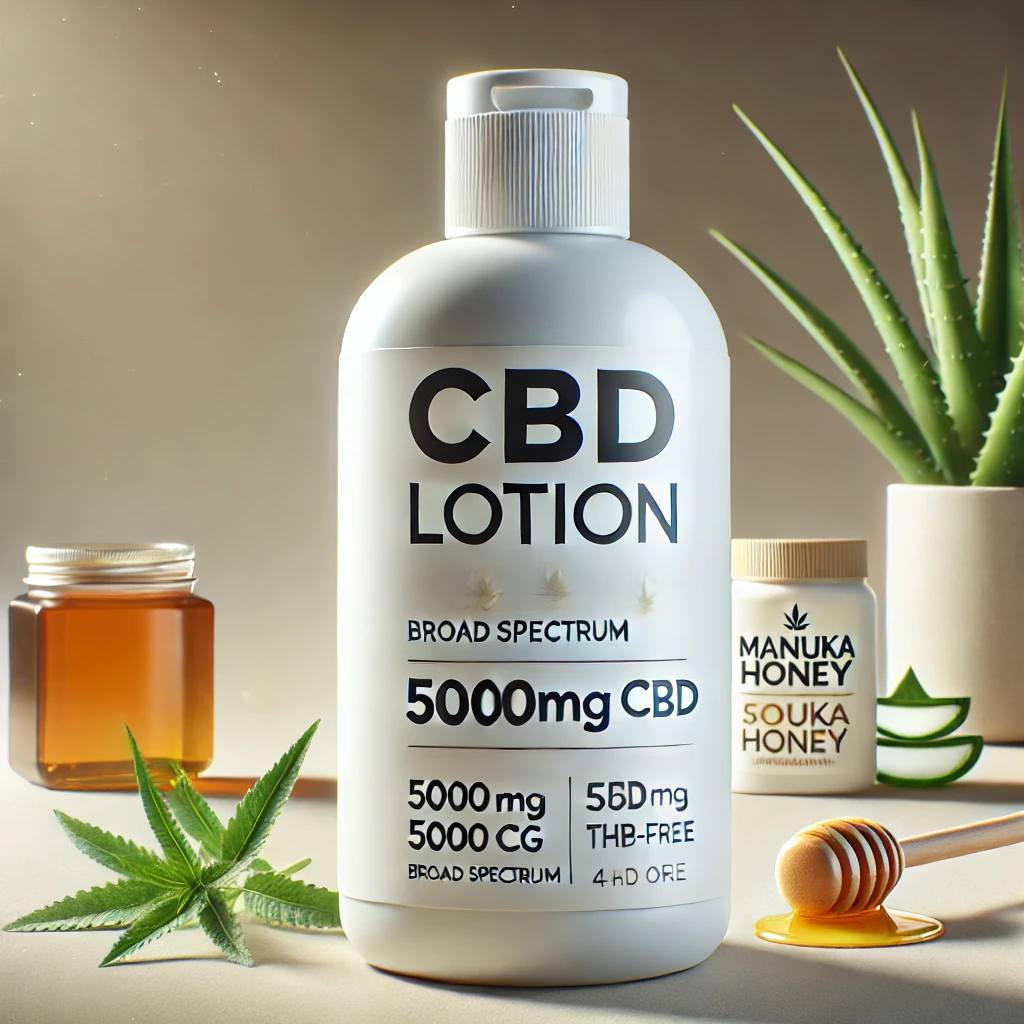
    Designed for sensitive skin, this lotion contains CBD, CBG, aloe, and Manuka honey. It soothes irritation and hydrates dry skin.

    3. CBD Balm for Joint Pain

    CBD balms are thicker and provide long-lasting relief. They are effective for arthritis and deep muscle discomfort.


    Final Thoughts

    CBD topical creams are versatile and effective for pain, inflammation, and skin care. They offer targeted relief without the need for oral consumption. Choose high-quality products and follow usage instructions for the best results.

  • Can CBD Products Help Manage Skin Flare-Ups in Autoimmune Conditions?

    Autoimmune conditions, such as eczema, psoriasis, and lupus, often cause uncomfortable and recurring skin flare-ups, even in areas that are more sensitive like the nipples. These conditions involve an overactive immune response, leading to inflammation, redness, and skin irritation. CBD (cannabidiol), a compound derived from hemp, is gaining attention for its anti-inflammatory and soothing properties, making it a promising option for managing skin symptoms in autoimmune conditions. In this article, we explore how CBD may help alleviate skin flare-ups and what users should know about its potential benefits.

    1. Understanding Autoimmune Skin Conditions

    • Immune System and Inflammation: In autoimmune conditions, the immune system mistakenly attacks healthy skin cells, resulting in chronic inflammation. This leads to flare-ups, characterized by redness, itching, and swelling.
    • Common Skin Conditions: Psoriasis and eczema are two common autoimmune-related skin conditions. These conditions often involve persistent or recurring patches of inflamed skin that can be painful and impact quality of life.

    2. How CBD Works on the Skin

    • Interacts with the Endocannabinoid System (ECS): The skin contains cannabinoid receptors in the endocannabinoid system (ECS), which helps regulate immune response and inflammation. When applied topically, CBD interacts with these receptors to potentially reduce inflammatory signals and soothe the skin.
    • Anti-Inflammatory Properties: CBD has been studied for its anti-inflammatory effects, which can help reduce swelling, redness, and irritation. This makes it a valuable ingredient in creams and lotions for those with sensitive or inflamed skin. You can even get nipple eczema treatment with CBD.

    3. Benefits of CBD for Managing Autoimmune Skin Flare-Ups

    a. Reduces Inflammation

    • Effect on Immune Response: CBD may modulate immune activity, helping to reduce the overactive response that triggers skin flare-ups. By decreasing inflammation, CBD topicals can relieve symptoms like redness, swelling, and heat in affected areas.
    • Calming Irritated Skin: CBD’s anti-inflammatory effects make it ideal for calming irritated skin, which is crucial for managing autoimmune flare-ups and preventing skin damage.

    b. Moisturizes and Repairs Skin Barrier

    • Enhanced Skin Hydration: Dry, cracked skin is common in autoimmune conditions. CBD products often include moisturizing ingredients, helping to repair and maintain the skin’s natural barrier.
    • Protection from Environmental Stressors: CBD’s antioxidant properties may protect the skin from environmental factors like pollution and UV rays, which can worsen autoimmune symptoms.

    c. Alleviates Itching and Discomfort

    • Soothing Effect on Nerve Endings: CBD may help reduce the itching and discomfort associated with flare-ups by interacting with nerve endings in the skin.
    • Better Tolerability: Many people with sensitive skin find that CBD is less irritating than some traditional treatments, making it suitable for regular use.

    4. Types of CBD Products for Autoimmune Skin Conditions

    • CBD Creams and Lotions: These products are easy to apply and offer targeted relief for localized flare-ups. Creams often contain additional soothing ingredients like aloe or chamomile, enhancing CBD’s calming effect.
    • CBD Oils and Serums: CBD oils can be directly applied to affected areas or added to a moisturizer. They offer deep hydration and can be beneficial for dry patches of skin common in conditions like eczema.
    • CBD Bath Products: CBD bath bombs or salts can be useful for all-over relief, soothing large areas of skin affected by inflammation. The warm water helps open pores, allowing CBD to penetrate and calm irritated skin.

    5. Scientific Evidence Supporting CBD for Skin Conditions

    • Eczema and Itch Relief: Studies indicate that CBD’s interaction with ECS receptors can reduce itching and dryness, providing relief for eczema sufferers.
    • Psoriasis Management: While more research is needed, early studies suggest CBD may slow down skin cell growth, which is accelerated in psoriasis. Slowing cell turnover can help reduce scaling and plaque formation.
    • General Inflammation: Several studies support CBD’s effectiveness in reducing general inflammation, which is a core aspect of managing autoimmune skin conditions.

    6. What to Look for in CBD Products for Skin Care

    • Full-Spectrum or Broad-Spectrum CBD: These types of CBD products contain additional cannabinoids and compounds that enhance the overall effect, often providing better results for skin health.
    • Quality Ingredients: Look for products with natural and nourishing ingredients, such as aloe vera, vitamin E, or hyaluronic acid, to boost skin hydration and healing.
    • Avoid Artificial Fragrances and Harsh Chemicals: People with autoimmune conditions often have sensitive skin, so it’s best to choose products free from artificial additives that may irritate the skin further.

    7. Considerations and Safety Tips

    • Patch Test First: Always do a patch test on a small area of skin to check for any potential reaction, especially if you have sensitive skin.
    • Choose Reputable Brands: Look for third-party tested CBD products to ensure purity and quality. Trusted brands disclose their lab results, showing exactly what’s in their products.
    • Consult a Healthcare Provider: If you’re already using medication for your condition, consult with a healthcare provider before adding CBD products to your routine to avoid any interactions.

    Final Thoughts

    CBD’s anti-inflammatory, moisturizing, and soothing properties make it a valuable option for managing skin flare-ups in autoimmune conditions. By reducing inflammation and easing discomfort, CBD can provide relief for conditions like eczema and psoriasis, helping to calm the skin and improve its overall health. With more research underway, CBD continues to show promise as a natural tool for managing skin symptoms in autoimmune conditions.

    4o

  • What’s the role of anti-inflammatory diets in managing chronic pain?

    Chronic pain often results from inflammation, a biological response that, when persistent, can lead to long-term health issues and discomfort. Anti-inflammatory diets focus on reducing this inflammation, helping to relieve pain and improve quality of life. Here, we explore how anti-inflammatory diets work and which foods play a key role in managing chronic pain.

    1. Understanding Inflammation and Chronic Pain

    • Inflammation’s Role in Pain: Inflammation is the body’s response to injury or illness, but chronic inflammation can cause long-lasting tissue damage and increase pain sensitivity.
    • Connection to Pain Conditions: Many chronic pain conditions—such as arthritis, fibromyalgia, and back pain—are closely linked to inflammation. Controlling inflammation is essential for reducing pain and preventing flare-ups.

    2. How Anti-Inflammatory Diets Help Manage Pain

    • Reduced Inflammatory Markers: Anti-inflammatory diets can lower markers of inflammation in the body, such as C-reactive protein (CRP). Reduced CRP levels often correlate with less pain and improved overall health.
    • Improved Blood Flow and Joint Health: Anti-inflammatory foods support healthy blood flow, which is essential for delivering oxygen and nutrients to inflamed tissues. For joint pain, this can reduce stiffness and improve flexibility.

    3. Key Components of an Anti-Inflammatory Diet

    a. Omega-3 Fatty Acids

    • Sources: Found in fatty fish (like salmon, mackerel, and sardines), flaxseeds, and walnuts.
    • Benefits: Omega-3s have strong anti-inflammatory properties, helping to reduce joint pain and stiffness. Studies show they may be particularly helpful for conditions like rheumatoid arthritis.

    b. Antioxidant-Rich Foods

    • Sources: Colorful fruits and vegetables, such as berries, leafy greens, carrots, and peppers.
    • Benefits: Antioxidants neutralize free radicals, molecules that contribute to inflammation. These foods help repair damaged cells and support the immune system, which can reduce pain associated with inflammatory conditions.

    c. Whole Grains

    • Sources: Oats, quinoa, barley, and brown rice.
    • Benefits: Whole grains are high in fiber, which helps reduce CRP levels. Fiber also supports gut health, as gut bacteria play a role in regulating inflammation.

    d. Spices and Herbs (Turmeric, Ginger, Garlic)

    • Sources: Use these spices in cooking, teas, or supplements.
    • Benefits: Curcumin, the active compound in turmeric, has been shown to reduce joint pain and inflammation. Ginger and garlic also contain compounds that lower inflammation and ease pain.

    e. Healthy Fats

    • Sources: Olive oil, avocado, nuts, and seeds.
    • Benefits: Monounsaturated fats, found in foods like olive oil, are anti-inflammatory and can support heart and joint health. Replacing saturated fats with healthy fats reduces inflammatory markers in the body.

    4. Foods to Avoid for Pain Management

    a. Refined Sugars and Processed Foods

    • Impact: Processed sugars increase insulin levels and trigger inflammatory responses, worsening pain.
    • Sources to Limit: Avoid sugary drinks, baked goods, and snacks high in added sugars.

    b. Trans Fats and Saturated Fats

    • Impact: Trans fats, commonly found in processed foods, and excessive saturated fats raise inflammatory markers.
    • Sources to Limit: Avoid fried foods, fast food, and high-fat animal products like processed meats.

    c. Refined Carbohydrates

    • Impact: Refined carbs, like white bread and pasta, quickly convert to sugar, leading to inflammation.
    • Sources to Limit: Choose whole grains over refined products to avoid these inflammation spikes.

    5. Scientific Evidence Supporting Anti-Inflammatory Diets

    • Arthritis Research: Studies show that people with arthritis experience reduced pain and improved joint function on anti-inflammatory diets. Omega-3 fatty acids, in particular, have demonstrated significant benefits in easing arthritis symptoms.
    • Pain Reduction: Anti-inflammatory diets have also shown promise in reducing overall pain levels in conditions like fibromyalgia and back pain, with many participants reporting less reliance on pain medications.

    6. Tips for Starting an Anti-Inflammatory Diet

    • Gradual Changes: Start by adding one or two anti-inflammatory foods to your meals each week and reducing inflammatory foods over time.
    • Meal Planning: Prepare meals in advance with plenty of vegetables, healthy fats, and lean proteins to keep inflammation low.
    • Stay Hydrated: Water supports digestion and nutrient absorption, making it easier for the body to process anti-inflammatory foods.

    Final Thoughts

    An anti-inflammatory diet can help manage chronic pain by reducing inflammation, enhancing joint health, and promoting cellular repair. While not a cure, these dietary changes can make a significant difference in pain levels, allowing for better movement and quality of life.

  • The Effectiveness of CBD and CBG Topicals for Joint and Muscle Pain Relief

    CBD (cannabidiol) and CBG (cannabigerol) are two compounds derived from hemp plants that are gaining attention for their potential to relieve joint and muscle pain. Both CBD and CBG topicals, applied directly to the skin, interact with the body’s endocannabinoid system to help alleviate discomfort. This article explores how these topicals work and their effectiveness in managing pain.

    1. How CBD and CBG Topicals Work

    • CBD and CBG Interactions: When applied to the skin, CBD and CBG interact with cannabinoid receptors in the skin and muscle tissues. These receptors play a role in pain perception and inflammation response.
    • Localized Relief: Unlike oral CBD or CBG products, topicals don’t enter the bloodstream. Instead, they provide targeted relief at the application site, making them ideal for muscle soreness, joint pain, and inflammation.

    2. The Benefits of CBD in Pain Relief

    a. Anti-Inflammatory Properties

    • CBD is known for its anti-inflammatory effects, which can reduce swelling and inflammation in joints and muscles. This reduction in inflammation can ease pain and improve mobility, especially for people with arthritis or other chronic conditions.

    b. Muscle Relaxation

    • CBD’s relaxing properties may help ease muscle tension and soreness. Athletes often use CBD topicals after workouts to reduce muscle stiffness, which can enhance recovery and reduce the risk of injury.

    c. Neuropathic Pain Relief

    • Research suggests that CBD can help manage neuropathic pain, or pain caused by nerve damage. By interacting with receptors linked to pain signals, CBD can potentially reduce discomfort from conditions like sciatica or fibromyalgia.

    3. The Benefits of CBG in Pain Relief

    a. Enhanced Anti-Inflammatory Effect

    • Like CBD, CBG has anti-inflammatory properties, but it may work differently by targeting specific inflammatory molecules in the body. This targeted action may enhance CBG’s ability to reduce swelling and pain, especially for inflammatory conditions like arthritis.

    b. Muscle and Joint Support

    • CBG may be particularly effective for joint pain relief. By supporting joint health and potentially protecting cartilage, it can be a beneficial addition for people dealing with arthritis or joint pain from physical activities.

    4. The Synergistic Effect of Combining CBD and CBG

    • Entourage Effect: CBD and CBG are often combined in topicals to enhance their effects. When used together, they create an “entourage effect,” where each compound amplifies the other’s benefits. This combined action may lead to better pain relief and faster recovery for sore muscles and joints.
    • Balancing Pain and Inflammation: CBD’s and CBG’s distinct properties create a well-rounded approach, where CBD’s general anti-inflammatory effects are balanced by CBG’s more targeted support for joints and muscles.

    5. Clinical Evidence and User Experiences

    • Arthritis Relief: Studies show promising results for CBD in managing arthritis pain. A 2016 study on rats found that CBD gel significantly reduced joint inflammation and pain without side effects. Human studies are ongoing, but user reports show that CBD topicals can relieve arthritis symptoms and improve joint flexibility.
    • Muscle Recovery and Post-Workout Relief: Athletes and fitness enthusiasts frequently use CBD and CBG topicals to speed up muscle recovery after intense workouts. Many report reduced muscle soreness and quicker recovery times, allowing them to return to training faster.

    6. Considerations When Using CBD and CBG Topicals

    • Choose Quality Products: Look for topicals with a high concentration of CBD and CBG to ensure potency. Quality ingredients like menthol or eucalyptus can provide additional cooling or warming effects for pain relief.
    • Apply Consistently: For chronic pain, apply the topical at least once or twice a day. Consistent use can provide more sustained relief, especially for long-term conditions like arthritis.

    7. Limitations and Possible Side Effects

    • Mild Skin Irritation: Some people may experience mild irritation, especially if the topical includes additional ingredients like menthol. Patch test a small area of skin first.
    • Temporary Relief: While topicals provide localized relief, they may not address severe or systemic pain. For ongoing pain management, topicals may work best as part of a broader pain-relief plan.

    Final Thoughts

    CBD and CBG topicals offer effective, localized relief for joint and muscle pain. Whether used alone or together, these cannabinoids can help reduce inflammation, ease muscle tension, and support joint health. Though research is ongoing, early evidence and user feedback suggest that CBD and CBG topicals are a valuable, natural option for those seeking pain relief without systemic effects.

  • 9 lesser-known signs of high-functioning anxiety

    High-functioning anxiety is a form of anxiety that doesn’t necessarily hinder a person’s daily activities but still affects their mental and physical well-being. Unlike typical anxiety, which can be visibly disruptive, high-functioning anxiety is often hidden. Here are some subtle signs that may indicate a person is experiencing high-functioning anxiety.

    1. Overthinking and Excessive Planning

    • People with high-functioning anxiety tend to anticipate every outcome and meticulously plan for each one. They often create backup plans, even for simple tasks, as a way to feel more in control.
    • This behavior can lead to decision fatigue, as they spend a lot of time analyzing every detail to prevent possible mistakes.

    2. Perfectionism and Fear of Failure

    • High-functioning anxiety can manifest as a need to perform flawlessly in every area. They may spend hours refining their work to avoid criticism.
    • This constant pressure to achieve perfection often leads to exhaustion, as they feel they can’t relax until everything is “just right.”

    3. Constant Need for Reassurance

    • People with high-functioning anxiety may seek validation or approval, even when they appear confident. This reassurance-seeking can stem from self-doubt and a fear of being judged or misunderstood.
    • They might frequently ask for feedback or overanalyze social interactions, fearing they’ve offended someone or made a poor impression.

    4. Difficulty Relaxing or Disconnecting

    • Many individuals with high-functioning anxiety struggle to “turn off” their minds. Even during leisure time, they may feel guilty for not being productive.
    • This makes it challenging for them to fully relax, as they often feel there’s always something they should be doing.

    5. People-Pleasing Behavior

    • High-functioning anxiety often leads to prioritizing others’ needs over one’s own. They may go out of their way to avoid conflict or disappointment, even if it means personal inconvenience.
    • This people-pleasing tendency stems from a fear of rejection, as they worry others won’t accept them if they assert their own needs.

    6. Physical Tension and Restlessness

    • Many people with high-functioning anxiety experience physical symptoms like muscle tension, jaw clenching, or restlessness. These subtle signs may go unnoticed by others but can be uncomfortable for the person.
    • Physical symptoms often serve as an outlet for the anxiety they keep hidden, manifesting as headaches, neck pain, or digestive issues.

    7. Difficulty with Sleep

    • High-functioning anxiety can disrupt sleep patterns. They may lie awake overthinking the day’s events or worrying about the next day.
    • This overthinking makes it hard to fall asleep or stay asleep, often leading to fatigue and difficulty concentrating during the day.

    8. Over-Commitment and Trouble Saying No

    • People with high-functioning anxiety often say yes to every request, fearing they’ll be seen as unreliable or unhelpful if they don’t. They may take on too many tasks, leading to burnout.
    • They fear being viewed as “difficult” or “unreliable,” so they stretch themselves thin, even if it means sacrificing their own well-being.

    9. Procrastination with Productive Bursts

    • Surprisingly, people with high-functioning anxiety can procrastinate out of fear of failure or judgment, only to complete tasks in intense, focused bursts. This pattern may stem from self-doubt and the need for a “perfect” result.
    • This cycle of procrastination and intense productivity can lead to high stress and exhaustion.

    Final Thoughts

    Recognizing these subtle signs of high-functioning anxiety is important for understanding that anxiety doesn’t always appear in an obvious way. High-functioning anxiety may look like motivation or ambition on the outside, but it can impact a person’s mental and physical health over time.

  • Prebiotics and Fiber Types for IBS Relief

    Irritable Bowel Syndrome (IBS) is a common digestive disorder, often managed through dietary changes. For many, prebiotics and specific fiber types can help alleviate symptoms. This article explores which prebiotics and fibers support IBS management and how they impact the gut.

    1. Understanding Prebiotics and Fiber in IBS

    • Prebiotics are compounds in food that promote the growth of beneficial gut bacteria. They’re mainly found in fiber-rich foods but differ from regular dietary fiber by selectively feeding “good” bacteria, which aids digestion.
    • Fiber is a plant-based carbohydrate that the body can’t fully digest. Soluble and insoluble fibers are the two main types, each playing distinct roles in digestion.

    2. Prebiotics for IBS

    a. Inulin

    • Source: Found in foods like onions, garlic, bananas, and asparagus.
    • Benefits: Inulin can support beneficial bacteria growth in the colon, promoting gut health. It may help with constipation by increasing stool bulk, though it may cause bloating for some.

    b. Fructo-Oligosaccharides (FOS)

    • Source: Present in foods such as bananas, leeks, and onions.
    • Benefits: FOS enhances gut health by nourishing beneficial bacteria. However, people with IBS should start with small amounts, as FOS can lead to gas and bloating.

    c. Galacto-Oligosaccharides (GOS)

    • Source: Found in beans, lentils, and certain dairy products.
    • Benefits: GOS is particularly helpful for increasing beneficial gut bacteria and may reduce IBS symptoms, especially abdominal pain. Many people find it easier to digest than other prebiotics.

    3. Fiber Types for IBS

    a. Soluble Fiber

    • Source: Found in oats, apples, carrots, and citrus fruits.
    • Benefits: Soluble fiber dissolves in water, forming a gel-like substance that softens stool and makes it easier to pass. It can reduce diarrhea and constipation, common in IBS sufferers.

    b. Psyllium

    • Source: Derived from the husks of psyllium seeds.
    • Benefits: Psyllium is well-tolerated by many with IBS. It adds bulk to stools and softens them, making it effective for both constipation and diarrhea.

    c. Partially Hydrolyzed Guar Gum (PHGG)

    • Source: Extracted from guar beans.
    • Benefits: PHGG is a prebiotic fiber that’s easier on the gut than many other fibers. It can improve bowel regularity without causing bloating or gas, making it ideal for people with IBS.

    4. Fiber to Limit or Avoid with IBS

    Insoluble Fiber

    • Source: Found in whole grains, nuts, and many vegetables.
    • Drawbacks: Insoluble fiber adds bulk to stool but doesn’t dissolve, which can aggravate IBS symptoms, especially if consumed in large amounts.

    5. Tips for Adding Prebiotics and Fiber for IBS

    • Start Slowly: Increase prebiotics and fiber gradually to allow the gut to adapt.
    • Listen to Your Body: Certain fibers may work well for one person but not another. Monitor symptoms and adjust intake as needed.
    • Stay Hydrated: Fiber absorbs water, so drinking enough fluids can prevent constipation and make fiber more effective.

    Incorporating the right prebiotics and fibers into your diet can help ease IBS symptoms, improve gut health, and support a balanced digestive system.

  • The Science Behind CBD and Inflammation: How It Can Help with Pain Relief

    The Science Behind CBD and Inflammation: How It Can Help with Pain Relief

    Inflammation is a natural response by the immune system to injury, infection, or harmful stimuli. While it’s a necessary part of healing, inflammation can also become chronic and lead to conditions such as arthritis, muscle soreness, and other ailments. In recent years, CBD has gained attention for its potential to reduce inflammation and relieve pain, offering a natural alternative to traditional medications.

    What is Inflammation, and Why Does It Matter?

    Inflammation is the body’s natural defense mechanism, helping to protect tissues and promote healing. However, when inflammation becomes chronic, it can lead to long-term health issues, including joint pain, stiffness, and even heart disease. Chronic inflammation is often triggered by lifestyle factors such as diet, stress, and environmental toxins.

    Understanding how to manage inflammation is essential, and natural approaches like CBD have sparked interest for their potential to calm inflammation without harsh side effects.

    CBD and the Endocannabinoid System: How it Works

    CBD, or cannabidiol, is a compound found in cannabis plants. It interacts with the body’s endocannabinoid system (ECS), which plays a role in regulating functions such as sleep, mood, immune response, and, importantly, inflammation. By engaging with the ECS, CBD may help modulate immune responses and reduce inflammation at its source.

    The ECS consists of receptors (CB1 and CB2) spread throughout the body, especially in the brain and immune system. CBD does not bind directly to these receptors, but it influences them in a way that may reduce inflammatory responses.

    What Science Says About CBD for Inflammation

    1. Arthritis and Joint Pain: Studies have shown that CBD may reduce inflammation associated with arthritis. Research published in Pain journal in 2017 found that topical CBD application significantly reduced joint swelling and inflammation in animal models of arthritis. For many, this suggests CBD could be a beneficial addition for arthritis relief.
    2. Muscle Soreness: Athletes and fitness enthusiasts use CBD for post-workout recovery to reduce muscle inflammation and pain. Some studies suggest that CBD’s interaction with the ECS may minimize delayed onset muscle soreness (DOMS), promoting faster recovery.
    3. Autoimmune Conditions: For those with autoimmune disorders like lupus or multiple sclerosis, CBD’s potential to reduce inflammation could provide some relief from related pain and fatigue. Preliminary studies show that CBD might decrease immune activity that leads to chronic inflammation in these conditions.

    How to Use CBD for Inflammation

    If you’re considering CBD for inflammation relief, here are some practical ways to start:

    • Topicals: CBD lotions and creams can be applied directly to inflamed or painful areas for targeted relief. They are ideal for joint pain, muscle soreness, and specific areas of inflammation.
    • CBD Oil: Sublingual oils or tinctures taken under the tongue allow CBD to enter the bloodstream quickly. This method provides more widespread relief and may be beneficial for those dealing with full-body inflammation.
    • Capsules and Edibles: CBD in capsule or edible form offers a consistent dosage and is a good option for those looking for a more gradual release of CBD throughout the day.

    Success Stories and Testimonials

    Many individuals have reported relief from inflammation and pain with regular use of CBD. Stories from arthritis patients, athletes, and those with chronic pain conditions indicate that CBD may offer a natural alternative for managing inflammation and improving quality of life. While testimonials provide valuable insights, it’s important to remember that everyone’s body reacts differently, and consulting a healthcare professional is always recommended.

    Precautions and Considerations

    While CBD is generally well-tolerated, some people may experience side effects like drowsiness or digestive issues. Additionally, CBD can interact with certain medications, including blood thinners. Before incorporating CBD into your routine, especially if you’re on other medications, consult your healthcare provider to ensure it’s a safe option.


    CBD offers a promising approach to managing inflammation, combining natural healing with science-backed effects on the body’s inflammatory responses. Whether you’re dealing with joint pain, muscle soreness, or autoimmune-related inflammation, CBD could provide relief as part of a holistic wellness plan.

  • Exploring Alternative Therapies for Pain Management

    Exploring Alternative Therapies for Pain Management

    Pain is a complex issue that affects millions of people worldwide, often diminishing their quality of life and limiting their ability to engage in daily activities. While conventional treatments like medication and surgery remain essential options for many, alternative therapies are increasingly popular among those seeking non-invasive, natural methods for pain relief. These therapies can complement traditional treatments, helping individuals manage pain holistically and often with fewer side effects. Let’s take a look at some of the most effective alternative therapies for pain management.

    1. Acupuncture

    Acupuncture, a cornerstone of Traditional Chinese Medicine (TCM), involves the insertion of thin needles into specific points on the body. These points are believed to stimulate the body’s energy flow, or “qi,” and encourage natural healing. Modern research suggests that acupuncture can trigger the release of endorphins, the body’s natural painkillers, and influence the nervous system to reduce pain.

    What It’s Effective For: Studies have shown that acupuncture can be effective for managing chronic pain conditions, including back pain, osteoarthritis, migraines, and fibromyalgia. It is also increasingly used to help with post-surgical and cancer-related pain.

    Benefits: Acupuncture is generally safe and has few side effects when administered by a trained practitioner. Many people find it relaxing and notice a reduction in both pain and stress.

    2. Massage Therapy

    Massage therapy has been used for centuries to alleviate pain and promote relaxation. It works by stimulating blood flow, relaxing tight muscles, and releasing tension. There are various forms of massage, including Swedish, deep tissue, and trigger point, each designed to address specific types of pain and tension.

    What It’s Effective For: Massage is especially helpful for muscular pain, neck and back pain, and chronic conditions like arthritis. It can also relieve pain associated with stress and anxiety, contributing to overall well-being.

    Benefits: Massage can improve circulation, reduce inflammation, and increase flexibility, making it a great complementary therapy. It’s also helpful for reducing anxiety and promoting relaxation, which can indirectly alleviate pain.

    3. Chiropractic Care

    Chiropractic care focuses on the diagnosis and treatment of mechanical disorders, particularly of the spine. Chiropractors use hands-on spinal manipulation and other techniques to align the body’s musculoskeletal structure, allowing the body to heal itself without surgery or medication.

    What It’s Effective For: Chiropractic care is commonly used to treat back pain, neck pain, headaches, and joint pain, particularly from injuries or conditions like sciatica.

    Benefits: Patients often experience immediate relief from chiropractic adjustments, and regular care can improve posture, reduce pain, and increase range of motion. Chiropractic care can be a good option for those seeking a non-pharmacological approach to managing pain.

    4. CBD (Cannabidiol) Therapy

    CBD, a compound derived from the cannabis plant, has gained popularity for its pain-relieving properties. Unlike THC, CBD does not produce a “high” and has been found to have anti-inflammatory and analgesic effects. CBD is available in various forms, including oils, lotions, capsules, and edibles.

    What It’s Effective For: CBD is used for managing chronic pain, arthritis, neuropathic pain, and muscle soreness. Topical applications are particularly popular for localized pain, while ingestible forms are used for broader systemic relief.

    Benefits: CBD is often well-tolerated, with fewer side effects compared to many traditional pain medications. It can also be used alongside other treatments, though it’s essential to consult a healthcare provider to ensure it’s a safe option for individual needs.

    5. Mind-Body Techniques

    Mind-body techniques focus on the connection between mental and physical health. Pain can be amplified by stress and anxiety, so these techniques aim to reduce tension and promote relaxation. Some popular mind-body practices include:

    • Meditation: Mindfulness meditation teaches individuals to focus on the present moment and accept pain without judgment, reducing its intensity.
    • Yoga and Tai Chi: These practices combine movement, breathing exercises, and mindfulness, which can help manage pain by improving flexibility, reducing stress, and promoting relaxation.
    • Guided Imagery: This involves visualizing a peaceful scene or imagining the pain dissipating, which can shift the focus away from pain and reduce discomfort.

    What It’s Effective For: Mind-body techniques are beneficial for chronic pain conditions, especially when pain is associated with stress, anxiety, or depression. They’re commonly used for fibromyalgia, arthritis, headaches, and lower back pain.

    Benefits: These practices are low-cost, non-invasive, and can be practiced regularly without significant side effects. Regular engagement in mind-body techniques can build resilience and promote long-term pain management.

    6. Herbal Remedies

    Herbal remedies have been used for pain relief in many cultures and include natural extracts that have anti-inflammatory or analgesic properties. Popular herbs for pain management include:

    • Turmeric: Known for its anti-inflammatory properties, turmeric contains curcumin, which may relieve joint pain, particularly in arthritis.
    • Ginger: Ginger has anti-inflammatory effects and is often used for muscle pain and arthritis.
    • Willow Bark: Often referred to as “nature’s aspirin,” willow bark contains salicin, which has similar effects to aspirin in reducing pain and inflammation.

    What It’s Effective For: Herbal remedies are typically used for mild to moderate pain, such as joint pain, headaches, menstrual cramps, and muscle soreness.

    Benefits: Herbal treatments can be a gentle, natural way to relieve pain. However, they should be used with caution and under the guidance of a healthcare provider, as some herbs can interact with medications or cause allergic reactions.

    7. Physical Therapy

    Physical therapy (PT) is a personalized approach to pain management that involves exercises, stretches, and therapeutic modalities like ultrasound or electrical stimulation. Physical therapists work with patients to improve mobility, strength, and flexibility, addressing the root cause of pain and preventing future injuries.

    What It’s Effective For: PT is highly effective for managing pain caused by injuries, post-surgery recovery, and chronic conditions like arthritis and back pain. It’s also helpful for athletes and individuals with physically demanding jobs.

    Benefits: Physical therapy offers a proactive approach to pain management, helping patients regain mobility and strength while reducing reliance on medications. Regular PT can also help prevent the recurrence of pain by addressing underlying issues like muscle imbalances or poor posture.

  • 7 Natural ways to reset a disrupted circadian rhythm

    Resetting a disrupted circadian rhythm can improve sleep quality, energy levels, and overall well-being. Here are natural methods to help realign your body’s internal clock:

    1. Morning Sunlight Exposure:
      • Spend at least 15–30 minutes in natural light soon after waking. Morning sunlight helps regulate melatonin, the sleep hormone, which signals the body when it’s time to wake and sleep.
    2. Consistent Sleep Schedule:
      • Go to bed and wake up at the same time every day, even on weekends. This regularity strengthens your body’s natural rhythm.
    3. Limit Evening Light Exposure:
      • Reduce exposure to bright lights, especially blue light from screens, two to three hours before bedtime. Blue light delays melatonin release, making it harder to fall asleep.
    4. Physical Activity During the Day:
      • Regular exercise promotes better sleep and can help shift your circadian rhythm. Avoid intense workouts close to bedtime, as they can be stimulating.
    5. Use Melatonin Supplements (if needed):
      • Low doses of melatonin may aid in shifting the sleep-wake cycle. Start with a small dose about 30–60 minutes before bedtime. Consult a healthcare provider for guidance.
    6. Avoid Caffeine and Heavy Meals Before Bedtime:
      • Caffeine can stay in your system for several hours and interfere with sleep. Likewise, avoid heavy or spicy meals close to bedtime, as these can cause discomfort and disrupt sleep.
    7. Create a Relaxing Pre-Bed Routine:
      • Wind down with calming activities like reading or gentle stretching. This helps signal your body that it’s time to sleep.

    These steps, practiced consistently, help reset your circadian rhythm, making it easier to achieve restful and restorative sleep.

  • The Winning Mindset: How Mental Attitude Can Boost Sports Performance

    Athletic performance is shaped by more than physical strength, speed, or skill—it’s also profoundly influenced by mindset. For decades, elite athletes and sports psychologists have explored the power of mental attitude, uncovering how positivity, resilience, and mental discipline are essential for success. In competitive sports, where even a slight edge can make the difference, mental attitude has proven to be a key factor in achieving peak performance. Let’s explore how cultivating a positive mindset can enhance sports performance and drive athletes toward excellence.

    1. The Science of Mental Attitude in Sports

    Sports are both physically and mentally demanding, and an athlete’s mental state has a powerful effect on their performance. Research shows that positivity and mental resilience can improve focus, reaction time, endurance, and recovery. This is because a positive mindset reduces stress hormones, increases endorphins, and heightens the release of dopamine—benefits that contribute to a “flow state,” the optimal zone where athletes perform at their best. Conversely, negative thoughts and stress can lead to self-doubt, hesitation, and anxiety, all of which undermine performance.

    2. Benefits of a Positive Attitude in Sports

    • Enhanced Focus and Concentration: Athletes who maintain a positive mindset are better equipped to stay focused on the game. Positivity encourages clear, calm thinking, which is crucial for maintaining concentration in high-pressure moments. It helps athletes avoid getting distracted by past mistakes or future worries and keeps them centered in the present, which is critical for quick reactions and precision.
    • Improved Motivation and Persistence: A positive attitude fosters resilience and perseverance. Athletes with a positive outlook are more likely to push through challenging workouts, bounce back from failures, and keep striving toward their goals. This mental fortitude enables them to maintain the intensity needed to succeed in both training and competition.
    • Faster Recovery and Reduced Risk of Injury: Mental attitude can also influence how quickly athletes recover. Optimism has been linked to faster healing, reduced inflammation, and better immune responses. Furthermore, positive athletes are more likely to stick to recovery protocols and stay committed to long-term health. A calm, resilient mindset helps reduce muscle tension and keeps athletes from overworking themselves, lowering the risk of injury.
    • Increased Confidence and Reduced Performance Anxiety: Anxiety can lead to hesitancy and muscle tension, both of which impact performance. A positive attitude, however, builds self-confidence and a sense of control. Confident athletes approach their sport with less fear and more trust in their abilities, which can result in smoother, more fluid movements and stronger decision-making.
    • Enhanced Team Dynamics: In team sports, positivity also fosters better collaboration, communication, and morale. When athletes bring a positive attitude to practice and competition, they uplift their teammates and contribute to an environment of mutual support. This team cohesion can give a group the extra edge they need to succeed.

    3. Mental Techniques to Cultivate a Positive Attitude in Sports

    • Visualization: Visualization is one of the most powerful tools for cultivating positivity. By imagining themselves succeeding—whether it’s scoring a goal, making a perfect pass, or reaching a personal best—athletes train their brains to feel confident and prepared. Studies have shown that visualization can activate the same neural pathways as physical practice, reinforcing muscle memory and building confidence.
    • Goal Setting and Positive Self-Talk: Setting small, achievable goals helps athletes stay motivated and focused. Positive self-talk reinforces their belief in their abilities, reducing self-doubt and keeping them mentally strong. For example, an athlete might replace thoughts like “I can’t do this” with “I am prepared and capable.” Positive affirmations help build a mindset of perseverance and resilience.
    • Mindfulness and Relaxation Techniques: Mindfulness can help athletes manage anxiety and stay in the moment. Techniques such as deep breathing, progressive muscle relaxation, and meditation allow athletes to stay calm and composed, even in high-stakes situations. When athletes are mindful, they are less likely to dwell on past mistakes or worry about future outcomes, freeing up mental energy to focus on the task at hand.
    • Embracing Failure as Part of Growth: A positive mental attitude doesn’t mean avoiding failure—it means reframing it as a stepping stone. Athletes who view setbacks as learning opportunities are better equipped to adapt and improve. This mindset shift helps them stay motivated, learn from their experiences, and approach challenges with a growth mindset.

    4. Examples of Positive Mindset in Action

    • Michael Jordan: Often regarded as one of the greatest basketball players, Michael Jordan is famous for his resilience and positive mindset. He missed thousands of shots in his career and faced countless setbacks, yet he used each failure as motivation to improve, which contributed to his legendary success.
    • Serena Williams: Serena Williams is known for her fierce positivity and focus, even under intense pressure. She uses visualization and self-affirmation to remain confident, helping her push through challenges and recover from injuries.
    • Usain Bolt: The fastest man in the world has spoken openly about his positive attitude, humor, and playfulness. By approaching his sport with joy and self-belief, Bolt has been able to perform at an elite level with seemingly effortless confidence.

    5. Putting It into Practice: Tips for Athletes to Build a Positive Mindset

    • Start and End with Gratitude: Reflecting on what you’re grateful for before and after training can help you stay grounded and reduce stress.
    • Develop a Pre-Game Ritual: Rituals can help athletes get in the zone. Listening to music, meditating, or repeating a positive mantra can create a sense of readiness and confidence.
    • Focus on Progress, Not Perfection: Concentrating on incremental improvements rather than perfection helps keep morale high and minimizes performance anxiety.
    • Celebrate Small Wins: Recognizing small achievements boosts motivation and reinforces positive thinking. Celebrate each milestone to stay motivated.
    • Surround Yourself with Positivity: Build a support network of coaches, teammates, and friends who encourage and uplift you. A positive environment helps reinforce resilience and optimism.

    In Conclusion

    A positive mental attitude is more than just a mindset; it’s a powerful tool that can elevate athletic performance. Whether it’s by enhancing focus, reducing anxiety, or fostering resilience, a positive outlook equips athletes to face challenges head-on and maximize their potential. The good news is that positivity isn’t an innate talent—it’s a skill that can be cultivated with practice, making it accessible to athletes at all levels.

    By investing in mental discipline and adopting a winning attitude, athletes can unlock new levels of performance, both on and off the field. A strong body may carry you far, but a strong mind will carry you further—pushing you toward personal bests, team victories, and a healthier, more fulfilling athletic journey.

  • The Power of Mindset: How Your Mental Attitude Can Shape Your Health

    When we think about health, the first things that usually come to mind are diet, exercise, and physical well-being. However, there’s an aspect of health that’s just as important but often overlooked: our mental attitude. Research shows that the way we approach life, stress, and our own thoughts can significantly impact our physical health. Let’s explore how a positive mental attitude can boost health, how negativity can undermine it, and tips for cultivating a healthier mindset.

    1. The Mind-Body Connection

    The mind and body are intricately linked. Thoughts and emotions don’t just remain in our heads; they influence our physical state. When we experience stress or anxiety, our bodies release cortisol and other stress hormones that can lead to inflammation and suppress immune function. Chronic stress or negativity can increase the risk of health problems like heart disease, digestive disorders, and even weaken the immune system, making it harder for the body to fight off illness.

    On the other hand, a positive attitude can stimulate the release of endorphins and other “feel-good” hormones, which promote relaxation, reduce pain, and support immune health. This connection highlights the importance of fostering a mindset that encourages health rather than one that undermines it.

    2. How Positivity Supports Health

    A positive mental attitude has been linked to numerous health benefits. Here are a few:

    • Reduced Risk of Cardiovascular Disease: Studies suggest that people with a positive outlook on life tend to have lower blood pressure and a reduced risk of heart disease. This is partly because a positive mindset helps manage stress, reducing strain on the heart.
    • Better Immune Function: Optimistic individuals have been shown to have stronger immune responses. Positive thinking can boost antibody production and the function of T-cells, which are critical for immune defense.
    • Lower Levels of Inflammation: Chronic inflammation is associated with several serious health issues, from diabetes to arthritis. A healthy mindset reduces the production of pro-inflammatory cytokines, which are markers of inflammation in the body.
    • Enhanced Pain Management: People who maintain a positive mental attitude are often better equipped to manage pain. This is not only due to higher levels of endorphins but also because a positive mindset allows them to approach pain with resilience, reducing its impact.
    • Improved Longevity: Optimistic individuals tend to live longer than their more pessimistic peers. Researchers believe this is due to the combined effects of lower stress, better immune function, and a reduced risk of chronic disease.

    3. The Risks of a Negative Mindset

    A negative mindset can be damaging in the long run, especially when it turns into chronic stress, pessimism, or constant self-criticism. Here’s how:

    • Increased Stress Levels: Negative thinking often leads to chronic stress. When the brain is in a perpetual state of “fight or flight,” the body is flooded with cortisol, which can lead to weight gain, high blood pressure, and mental fatigue.
    • Greater Risk of Mental Health Issues: Negativity can lead to conditions like depression and anxiety, which are linked to sleep disturbances, increased inflammation, and weakened immune responses.
    • Lower Energy Levels: Constantly negative thoughts drain mental and physical energy. Over time, this can make even simple tasks seem exhausting and increase feelings of fatigue.
    • Reduced Social Support: People who consistently display negative attitudes may find it difficult to form supportive relationships, which can lead to loneliness, another factor linked to poor health outcomes.

    4. Cultivating a Healthier Mindset

    Building a positive mental attitude doesn’t mean avoiding all negative thoughts. It’s about developing habits and mindsets that support resilience, adaptability, and self-compassion. Here are a few ways to start:

    • Practice Gratitude: Reflecting on what you’re thankful for can help shift focus from what’s wrong to what’s good. Studies have shown that gratitude can improve sleep quality, lower stress levels, and support immune health.
    • Embrace Mindfulness: Mindfulness helps you stay present and reduces stress. Practices like meditation, deep breathing, and yoga encourage a state of relaxation, lower blood pressure, and can help reduce chronic pain.
    • Challenge Negative Thoughts: Notice when negative thoughts arise and question their validity. Often, they’re based on assumptions rather than facts. Replacing them with balanced, realistic perspectives can help reduce stress.
    • Engage in Physical Activity: Exercise is not only beneficial for the body but also for the mind. Physical activity promotes the release of endorphins, which can improve mood, reduce anxiety, and enhance overall well-being.
    • Connect with Others: Positive relationships are one of the best ways to support mental and physical health. Spending time with supportive friends and family can reduce stress, increase happiness, and even improve longevity.
    • Set Realistic Goals and Celebrate Progress: Setting small, achievable goals helps foster a sense of purpose and achievement. Celebrate your progress, no matter how small, and practice self-compassion along the way.

    5. The Ripple Effect of a Positive Attitude

    A positive attitude doesn’t just benefit you—it has a ripple effect on those around you. Studies show that positivity is contagious; when you maintain a hopeful outlook, you encourage those around you to do the same, creating a supportive environment that reinforces good health.

    In Conclusion

    Your mental attitude plays a profound role in shaping your health. While life inevitably comes with challenges, maintaining a positive and resilient mindset can help you navigate them more effectively, ultimately benefiting your overall health. By adopting habits that foster a healthier attitude, you’ll be better equipped to not only handle stress but also build a lifestyle that supports both your physical and mental well-being. Remember, the journey to a healthier life begins in the mind.


    Adopting a positive mindset can be transformational for both your body and mind, opening the door to a life of better health and well-being.